
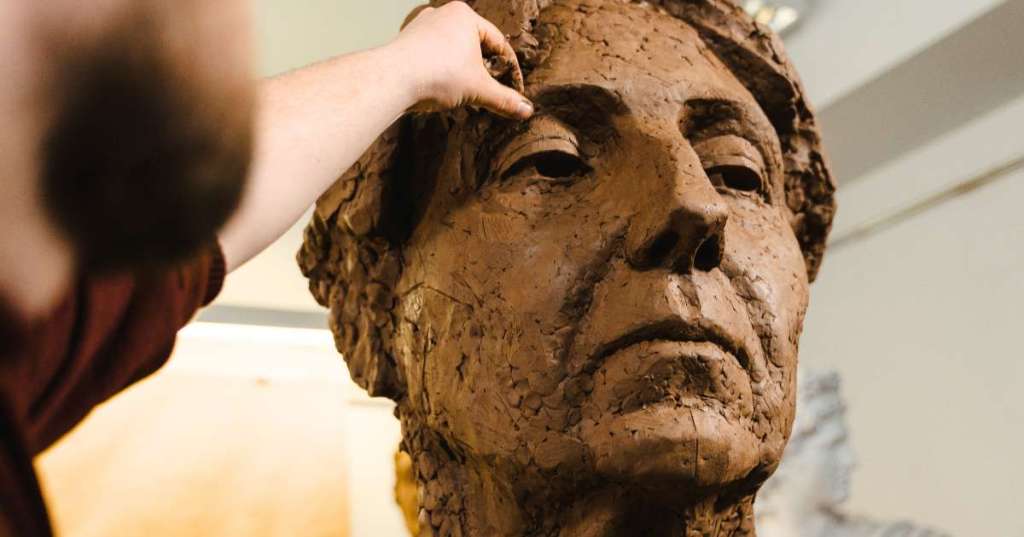
Sculpture, one of the oldest and most tangible forms of art, brings materials to life in three-dimensional space. From the earliest carved stones to today’s conceptual installations, sculpting is a versatile and deeply expressive medium. This guide explores the methods, tools, and themes behind sculpture, touching on its historical roots and its continuing evolution.
Techniques in Sculpture and Essential Tools
1 – Carving :
Carving is one of the most traditional and enduring methods in sculpture. Dating back to prehistoric times, artists have carved into materials such as stone, wood, and ivory. This subtractive process involves chiseling away at a block to reveal the desired form. Carving tools like chisels, mallets, and rasps allow sculptors to shape and refine their work. Stone carving, particularly with marble, was popularized during the Renaissance by artists like Michelangelo, while wood carving has deep roots in indigenous cultures worldwide.
2 – Modeling :
Modeling is an additive process, where artists shape pliable materials like clay, wax, or plaster. Unlike carving, modeling allows for adjustments throughout the creation process, making it ideal for exploratory and expressive works. Historically, clay modeling has been integral to many ancient civilizations, from Mesopotamian figures to Egyptian busts. Today, artists use modeling for everything from pottery to detailed figures. Tools like spatulas, wire loops, and brushes are commonly used to shape and smooth the material, allowing for intricate detailing.
3 – Casting :
Casting is a versatile method that involves creating a mold from a model and pouring a liquid material like bronze, resin, or plaster into it. Once the material hardens, the mold is removed, revealing the sculpture. Bronze casting, popularized in Ancient Greece, became the standard for monumental sculptures in public spaces. Today, casting allows artists to replicate their work or experiment with different materials, resulting in various textures and finishes.
4 – Assemblage and Found Objects :
Assemblage is a modern method that involves combining various objects, often repurposed or found, to create new forms. This technique, popularized by artists like Picasso, challenges traditional notions of sculpture by transforming everyday items into art. Tools like welders, adhesives, and clamps help sculptors piece together items in unique ways. Assemblage often has a contemporary, conceptual edge, making it ideal for commentary on consumer culture or environmental issues.
5 – 3D Printing and Digital Sculpture :
With advancements in technology, digital sculpture and 3D printing have revolutionized the field. Artists can use software like Blender or ZBrush to create digital models, which can be printed using 3D printers. This process allows for intricate detail and precise symmetry, making it popular for designers, architects, and contemporary artists. 3D printing opens new possibilities, enabling artists to create complex forms that would be difficult to achieve by hand.
Popular Sculpture Themes and Their Histories
1 – Figurative Sculpture :
Representing the human form is one of the oldest themes in sculpture, dating back to ancient civilizations that crafted gods, heroes, and common people in stone and bronze. The Greeks refined figurative sculpture, capturing anatomy and movement, while Renaissance artists like Michelangelo introduced realism and emotional depth. Today, figurative sculpture ranges from classical realism to abstracted forms, with many artists exploring identity, society, and human experience through form.
2 – Religious and Spiritual Themes :
Many ancient sculptures are deeply connected to spiritual and religious beliefs. From the intricate Hindu deities in India to the serene Buddha statues in Asia, religious sculpture aims to convey divinity and introspection. In Western Europe, Gothic and Renaissance cathedrals displayed elaborate religious sculptures, symbolizing devotion and faith. Even in contemporary art, spiritual themes continue to appear, often reinterpreted to explore modern spirituality and personal belief.
3 – Nature and Environmental Themes :
Nature has inspired sculptors throughout history, from ancient reliefs depicting animals to contemporary sculptures that highlight environmental issues. In indigenous cultures, animals and natural forms often appear in sculpture as symbols of spirituality and interconnectedness. Modern environmental sculptures, like the works of Andy Goldsworthy, use natural materials to emphasize the fleeting beauty of nature. Many artists today use natural themes to raise awareness about climate change and conservation.
4 – Abstract and Conceptual Sculpture :
Abstract sculpture gained prominence in the early 20th century, challenging traditional notions of form and representation. Artists like Constantin Brâncuși and Henry Moore broke away from realistic depictions, focusing instead on shape, texture, and movement. Conceptual sculpture further expanded this boundary, with artists using installation and performance to convey ideas. Abstract and conceptual sculptures are open to interpretation, often encouraging viewers to question traditional ideas about art and form.
5 – Public and Monumental Art :
Public sculptures, typically large-scale works displayed outdoors, serve as landmarks and symbols of cultural identity. Ancient societies created monumental sculptures, like the Sphinx of Egypt or the Moai statues of Easter Island, to represent their beliefs and histories. Today, monumental sculptures are common in parks, plazas, and urban areas, created to inspire communities and celebrate local heritage. Public art often connects people with place, enhancing shared spaces and fostering cultural pride.
Conclusion
Sculpture is a powerful form of artistic expression that continues to evolve. From the timeless techniques of carving and casting to modern methods like 3D printing and assemblage, sculptors have endless possibilities to bring their visions into three-dimensional space. Each method and material offers a unique way to interpret themes—whether through the grace of figurative forms, the symbolism of nature, or the thought-provoking appeal of abstraction. Sculpture invites viewers to engage with art tangibly, creating a lasting impact that transcends time and culture.
Questions about Making Art through Sculpture
1 – What materials are best for beginners in sculpture?
Clay is an excellent choice for beginners because it’s easy to manipulate and forgiving, allowing artists to experiment and adjust as they go. Other beginner-friendly materials include wax, plaster, and air-dry clay.
2 – Can sculptures be painted?
Yes! Many sculptures are painted to enhance detail, texture, and color. This practice dates back to ancient cultures, where sculptures were often painted in bright colors. Today, acrylics, enamels, and spray paints are commonly used to finish sculptures.
3 – How is sculpture different from other art forms?
Sculpture is unique because it exists in three dimensions, requiring artists to consider space, perspective, and physical interaction. Unlike paintings or drawings, sculptures invite viewers to experience them from multiple angles, often enhancing the emotional impact.
4 – Do I need specialized tools to start sculpting?
While specialized tools can help, beginners can start with basic tools like knives, spatulas, and shaping tools found at art supply stores. Over time, you may want to invest in tools specific to your medium, such as chisels for carving or welding equipment for metalwork.
5 – What is the purpose of creating a mold in sculpture?
A mold allows artists to replicate a sculpture in a different material, such as casting a clay model in bronze. Molds are also useful for making multiple copies of the same piece or experimenting with different finishes.
6 – Can I combine different materials in one sculpture?
Absolutely! Many contemporary sculptures are mixed-media, incorporating diverse materials like metal, wood, glass, and even found objects. Combining materials can add texture and symbolism, making the artwork more dynamic.
7 – How can I choose a theme for my sculpture?
Start by exploring what interests you or what message you want to convey. Themes like human form, nature, or abstraction are popular choices. Research historical styles or look at other artists’ work for inspiration to find themes that resonate with your artistic vision.
8 – Are there special considerations for outdoor sculptures?
Yes, outdoor sculptures require durable materials like bronze, stone, or treated wood to withstand weather and temperature changes. Many outdoor sculptures are sealed with protective coatings to prevent damage from UV rays, moisture, and corrosion.
9 – What’s the difference between figurative and abstract sculpture?
Figurative sculpture represents recognizable forms, such as people or animals, while abstract sculpture emphasizes shapes, forms, and textures without depicting specific subjects. Both styles offer unique ways to express ideas and emotions.
 irocolors.com