





What is Anime & Manga Art?
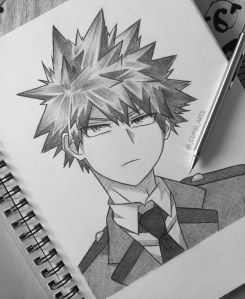
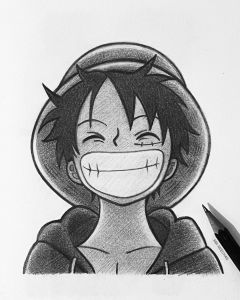
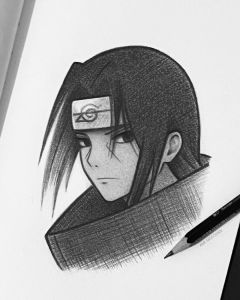
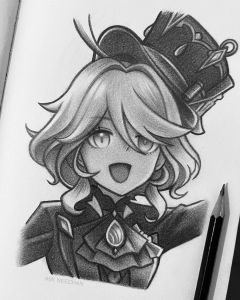
Anime and manga art originated in Japan, with “manga” referring to Japanese comic books and “anime” describing the animated adaptations. Both art forms share unique stylistic elements, including exaggerated facial expressions, dramatic shading, and dynamic action lines, making them instantly recognizable. Over the years, the influence of anime and manga has spread across the world, giving rise to a diverse global community of artists and fans alike.
Methods and Tools Used in Manga & Anime Art
Anime and manga art can be created using a wide range of techniques and tools, from traditional mediums like pencils and inks to modern alcohol markers. Artists choose different methods based on their personal style and the desired effect of their work.
1 – Pencil & Ink :
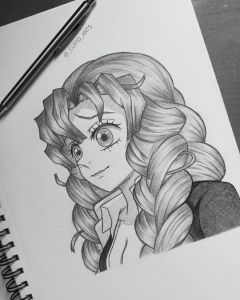
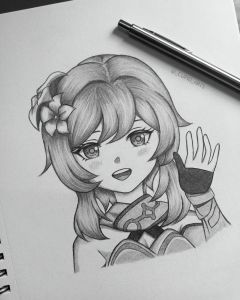
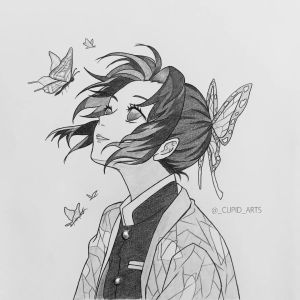
Many manga artists start with a pencil sketch to lay out their character’s form and details. Inking is then used to give depth and clarity to the lines. Traditional artists often use fine liners or brush pens for the inking process, which adds boldness and precision.
2 – Colored Pencil :
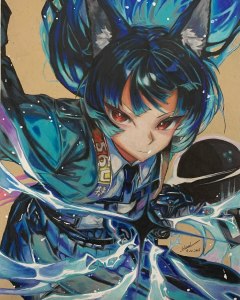
Colored pencils are a versatile medium in anime and manga art, allowing artists to achieve a wide range of effects, from soft shading to vibrant, intense colors. Unlike markers, which provide a smooth and even tone, colored pencils allow for a textured finish that adds a unique depth to the artwork. By layering and blending different shades, artists can create gradients, highlights, and shadows that bring characters and scenes to life. Colored pencils are also portable and easy to use, making them a popular choice for both beginners and professionals.
3 – Watercolors and Alcohol markers :
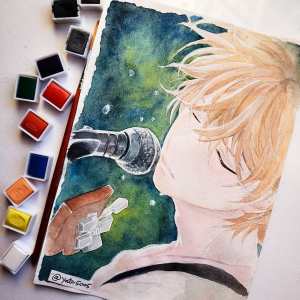
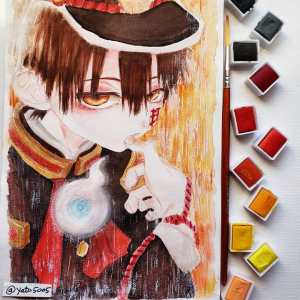
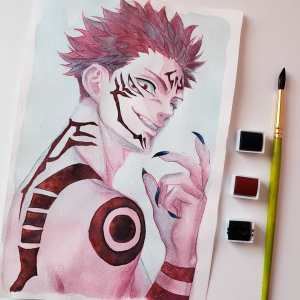
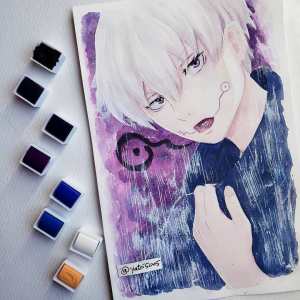
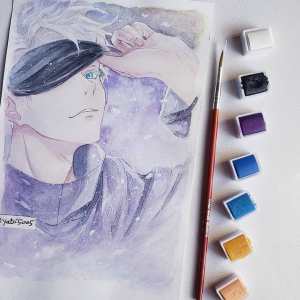
Watercolors are often used to create softer, dreamlike effects, while alcohol markers provide vibrant, solid colors and are a favorite among anime artists. Alcohol markers are well-known for their blendability and wide range of hues, making them ideal for anime-style coloring.
4 – Acrylic and Oil Paints :
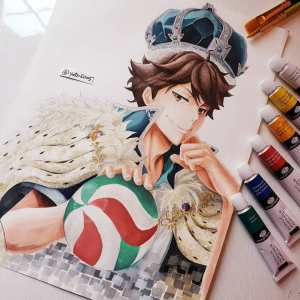
Though less common, acrylic and oil paints offer anime artists a chance to experiment with texture and depth. These mediums are typically used for larger, more intricate pieces, often in the form of canvas paintings that bring anime scenes to life.
Popular Artistic Themes in Anime & Manga
Anime and manga art covers a variety of themes, each reflecting unique cultural backgrounds, mythologies, and artistic styles. Here are some popular themes, along with their histories and origins:
1 – Shonen (少年) :
Shonen, meaning “young boy” in Japanese, is one of the most well-known genres in manga and anime, often focusing on action-packed stories of young heroes. Originating in the post-war era of Japan, shonen manga targeted teenage boys and often featured themes of friendship, bravery, and self-improvement. Examples include Naruto, One Piece, and Dragon Ball Z.
2 – Shojo (少女) :
Shojo, aimed at young female readers, emphasizes romance, emotional narratives, and often fantasy elements. Originating in the 1960s with the rise of female manga artists, shojo art tends to use softer lines, intricate backgrounds, and delicate coloring. Titles like Sailor Moon and Fruits Basket exemplify this theme, offering a balance of romance, drama, and magical storytelling.
3 – Mecha (メカ) :
Mecha, derived from the English word “mechanical,” focuses on giant robots and futuristic technology. This genre emerged in the 1960s with works like Mazinger Z and has since evolved to include iconic series like Gundam and Neon Genesis Evangelion. Mecha art often combines sleek, mechanical designs with complex backgrounds, emphasizing detailed linework and shading.
4 – Fantasy & Isekai (異世界) :
Fantasy and isekai (literally “different world”) are popular genres where characters are transported to magical or alternate worlds. Rooted in ancient Japanese mythology, these themes gained prominence with series like Inuyasha and Sword Art Online. Fantasy art often features mythical creatures, intricate costumes, and vibrant landscapes.
5 – Horror and Supernatural :
Horror manga and anime use suspenseful plots, eerie character designs, and dark tones to evoke fear. Works by artists like Junji Ito have popularized horror in manga, drawing on themes of folklore and psychological horror. Supernatural elements like ghosts and curses are also common, blending Japan’s rich cultural beliefs with chilling narratives.
Questions about Making Manga & Anime Artworks
1 – Can I learn anime drawing without formal training?
Absolutely! Many anime artists are self-taught, practicing by studying their favorite series and developing their skills over time. Resources like online tutorials, art communities, and drawing software make it easier than ever to learn.
2 – Are there specific markers used for anime art?
Yes, Alcohol markers are a popular choice due to their vibrant colors, blendability, and longevity. They are commonly used for traditional anime and manga-style illustrations.
3 – How can I start drawing anime and manga art?
Begin with basic shapes and proportions, focusing on character anatomy and expressions. Practice consistently, experiment with different tools, and study works from artists you admire to develop your unique style.
 irocolors.com